
Road Construction
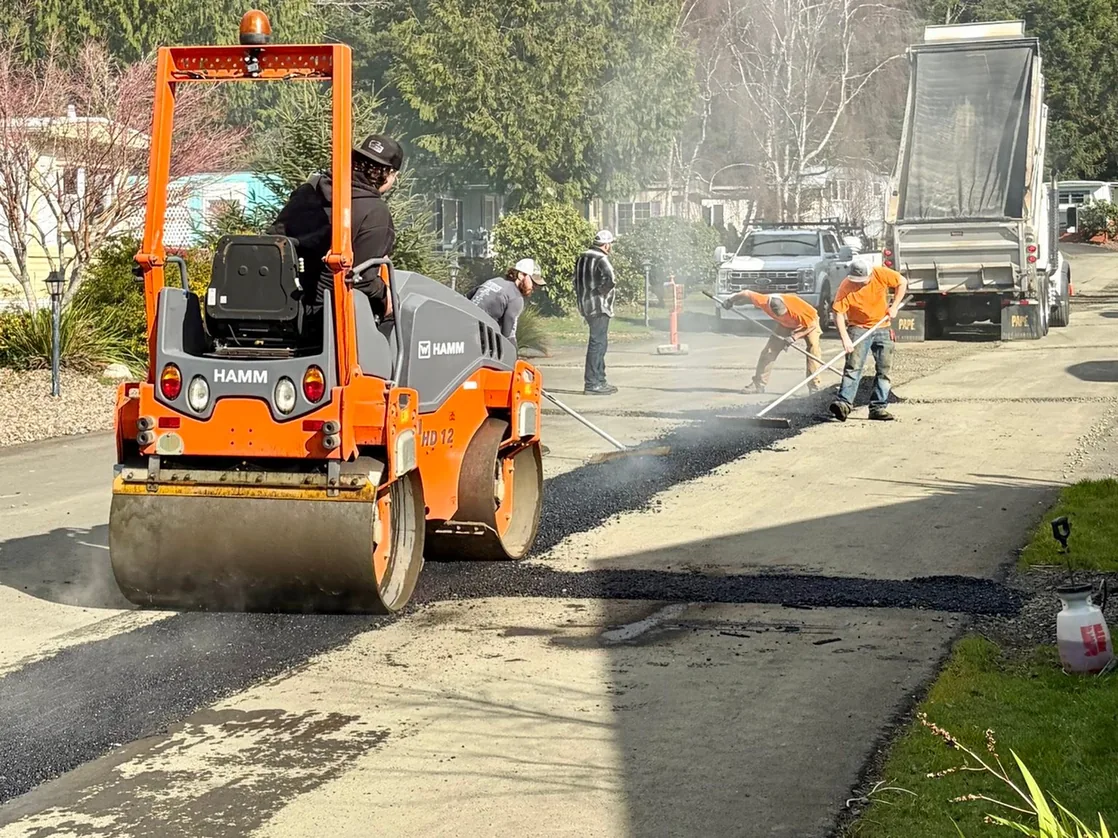
We build subdivision streets and private roads from the subgrade up, with the utilities under them laid first. Our concrete and paving subcontractors pour the curbs and lay the asphalt, under our management.
Learn More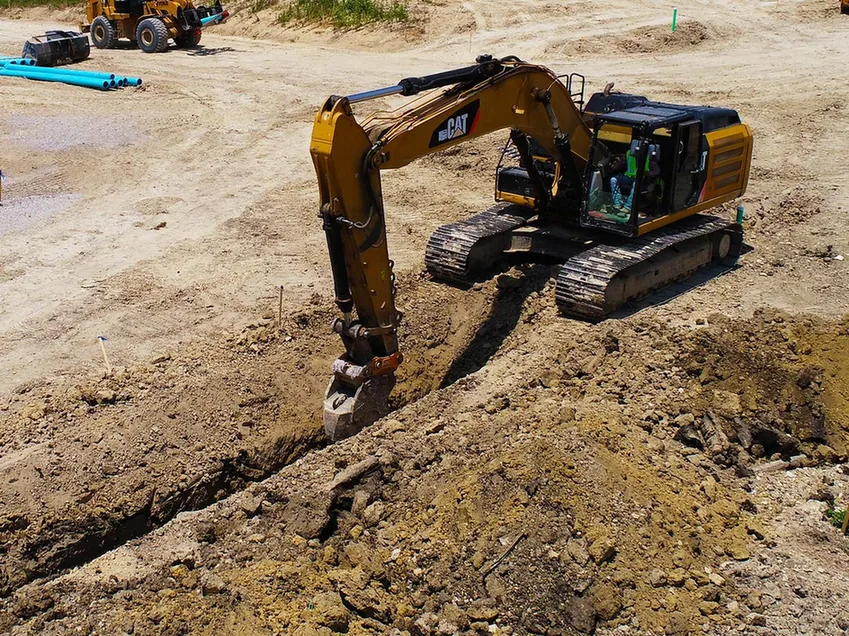
Winter water stalls work on a lot of ground around Dallas, OR. Building pads stay soft, and low spots in fields hold water into spring. Turner Excavation is a drainage contractor for builders, developers, farms and nurseries. We handle French drain installation and storm drainage, with curtain drains, catch basins, culverts, ditches and swales.
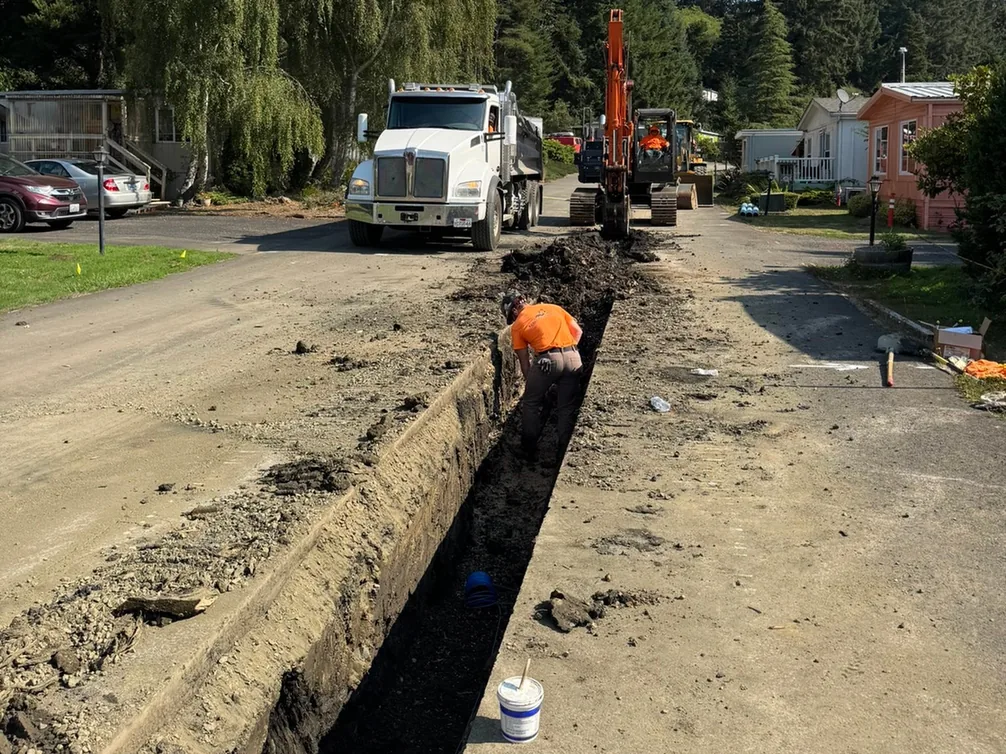
Storm pipe on a subdivision or a commercial site goes in with the rest of the underground utility installation. On farm and nursery ground, the work starts with where the water comes from and where it can leave. From our shop and yard in Dallas, we work across Polk and Marion Counties and the rest of the valley.
Tell us about the project and where the site is. We look at the job and put a free estimate in writing.
The NRCS soil survey lists Dayton soils throughout the Willamette Valley and calls them extensive. It rates them poorly drained, and water moves through them very slowly. Water stands at its highest in these soils from November to April, and the ground ponds from December to April.
Rain is the other half of it. NOAA's 1991 to 2020 normals put Dallas at about 48 inches a year. Almost 22 inches of it falls from December through February. Just over 2 inches falls from June through August.
On ground like this, a soakage trench has little room to take water in winter. Oregon State University Extension rates a site poor for one when groundwater rises within 24 inches of the trench bottom. A French drain works here because its pipe carries the water to an outlet.
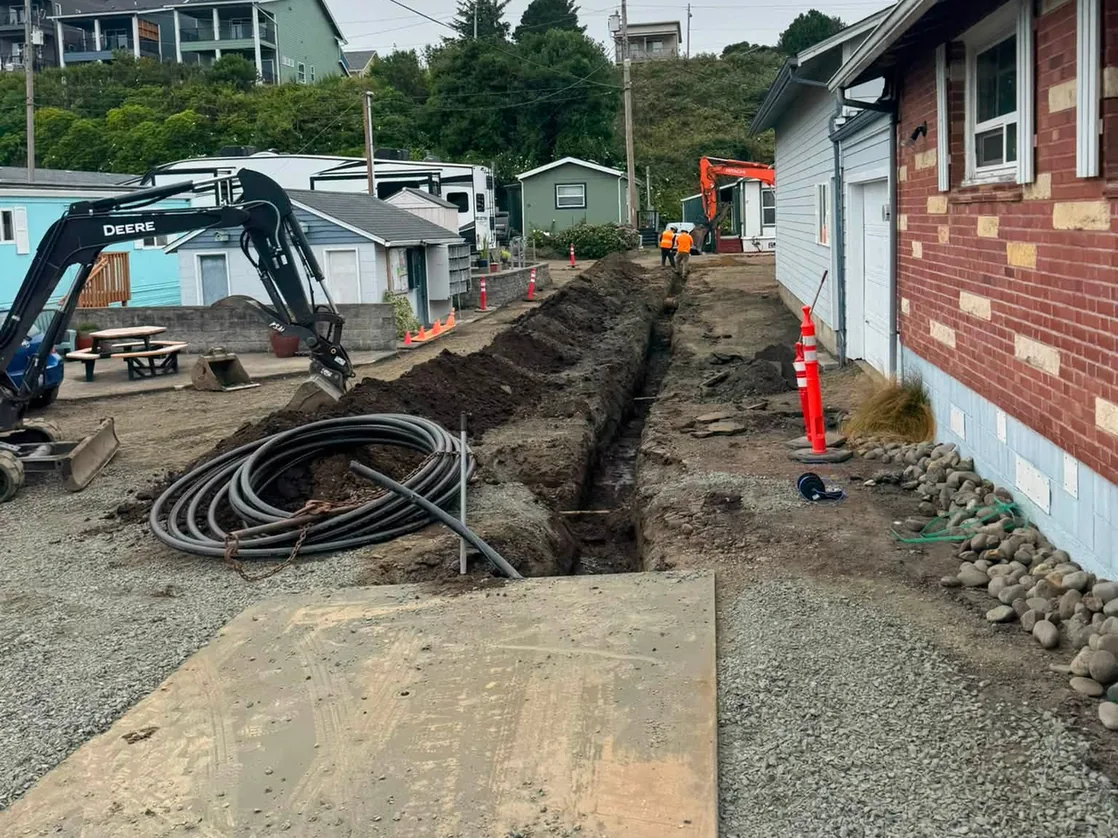
A French drain is a trench with perforated pipe bedded in washed drain rock. Filter fabric lines the trench so the valley silt stays out of the rock. The pipe runs on a steady fall to an outlet that can take the water.
A curtain drain is a French drain set across the uphill side of a pad or a field. It catches groundwater moving down the slope before it reaches the ground you want dry. Around building pads and foundations, we set these drains as part of the pad work.
On farms and nurseries, drains run across wet fields and equipment yards. Roof water adds up fast around barns and shops. OSU Extension figures an inch of rain on a 20 by 50 foot barn roof at 620 gallons. Its small-acreage farm guide lists French drain lines and ditches among the ways to divert water around a barn.
A storm drainage system collects surface water at catch basins and carries it through pipe to an outfall. Manholes sit where the lines join or change direction. On subdivisions and commercial sites, the engineer's plan sets the pipe sizes and the grades, and we build to it.
Public storm lines follow the city's or the county's standards, and their inspectors look at the work. The City of Dallas Public Works Department publishes design standards for public storm drainage inside city limits. Ditches and swales carry surface water to the system. We grade them in with the rest of the site's grading and earthwork.
Culverts carry ditch water under farm and nursery access roads and field crossings. Oregon's fish passage law can apply to a new culvert in a stream with native migratory fish. Then the landowner needs a sign-off on fish passage from the Oregon Department of Fish and Wildlife.
Call or text for a written quote. We work about 70 miles around Dallas across the Willamette Valley.
(503) 507-2919From the first call or text to the finished work, here is how it goes.
Call or text (503) 507-2919 and tell us about the land and the project. Plans or a site map help if you have them.
We come out to look at the ground and where the water goes. If there are plans, we go through the quantities with you.
The free estimate comes to you in writing, with the scope of work spelled out. Once you say yes, we set the start date together.
We call Oregon 811 for utility locates before any digging. Then the work goes in the order the job needs, from clearing through base rock.
We work with the city or county inspectors as the utilities go in. We leave the site graded and ready for the builders or the next trade.
Common questions about storm drainage around Dallas and the rest of the Willamette Valley. If yours is not here, call or text and ask.
We build subdivision streets and private roads from the subgrade up, with the utilities under them laid first. Our concrete and paving subcontractors pour the curbs and lay the asphalt, under our management.
Learn More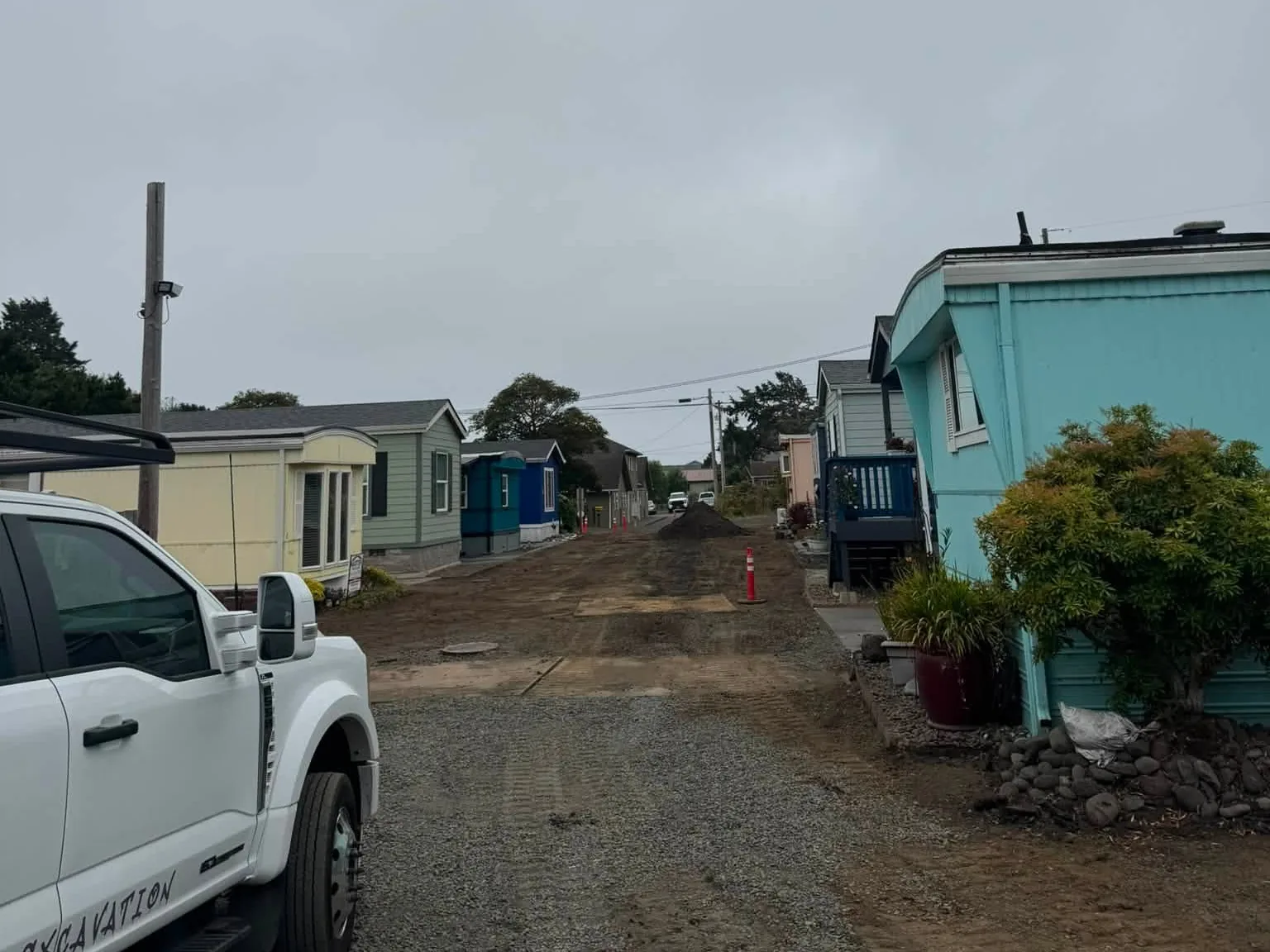
Long gravel driveways, farm and nursery access roads, equipment yards and construction entrances for builders and landowners. We grade the road and set the culverts, then build up the base rock to carry trucks.
Learn More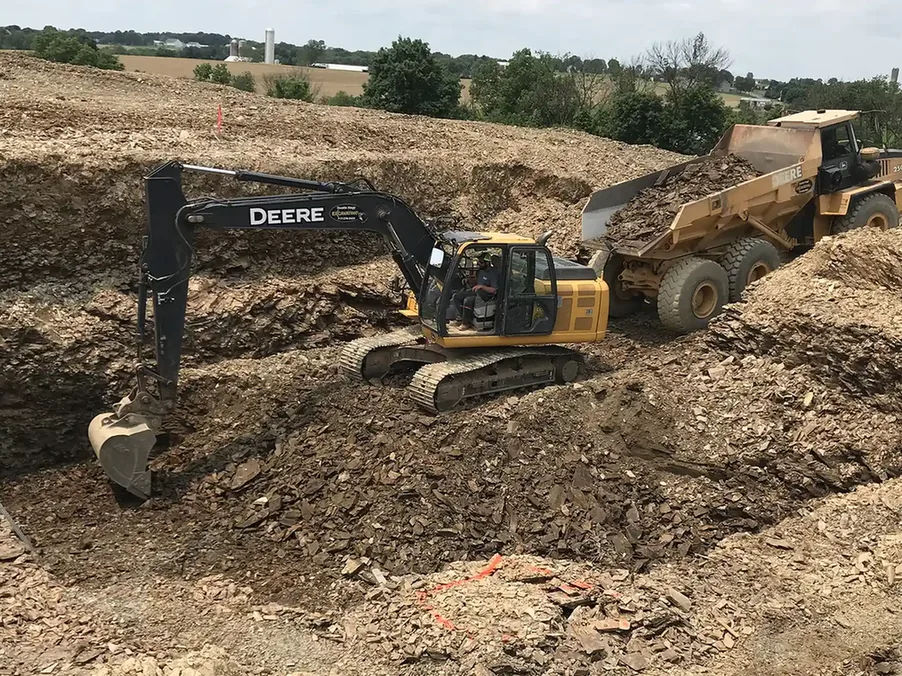
We handle foundation excavation and build compacted building pads for homes on acreage, shops, barns and commercial buildings. Footings are cut to the engineer's plan, and every pad is graded to drain.
Learn MoreWe put in the water, sewer, storm and dry utilities, then build the street over them. Our paving and concrete subcontractors finish the curbs and asphalt under our management.
Our excavators, dozer, water truck and dump trucks do the heavy work. Our crew and foreman run the site from the first cut to final grade.
We look at the plans and the ground before we price the work. Then the free estimate comes to you in writing, with the scope spelled out.
Our shop and yard are in Dallas, in Polk County. We take on projects about 70 miles out, across the Willamette Valley and over the Coast Range to Newport.
Tell us where the land is and what the project needs, and send the plans if you have them. Call or text (503) 507-2919 or use the form, and we will set a time to look at the job.
Tell us about the project and where the site is. We look at the job and put a free estimate in writing.