
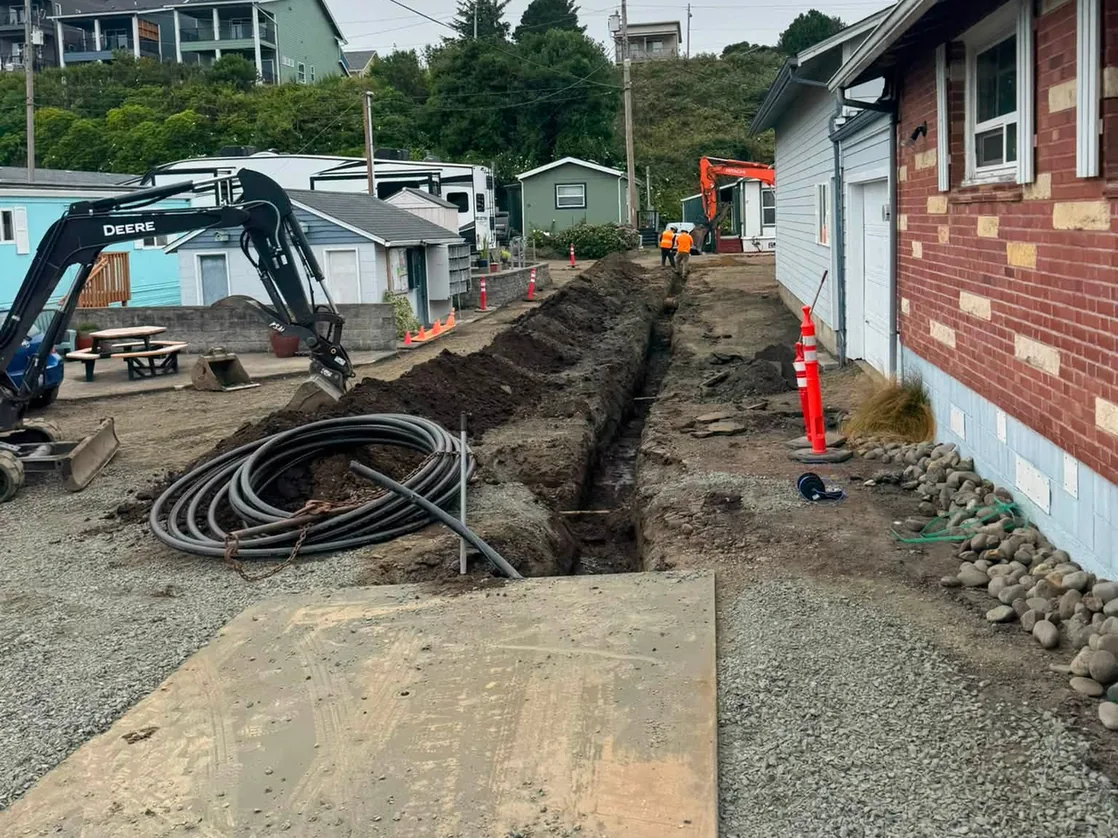
Underground Utilities
We install water mains, sanitary sewer, storm sewer and power and communications conduit for subdivisions and commercial sites. Each run goes from open trench to compacted backfill, ready for the inspector.
Learn More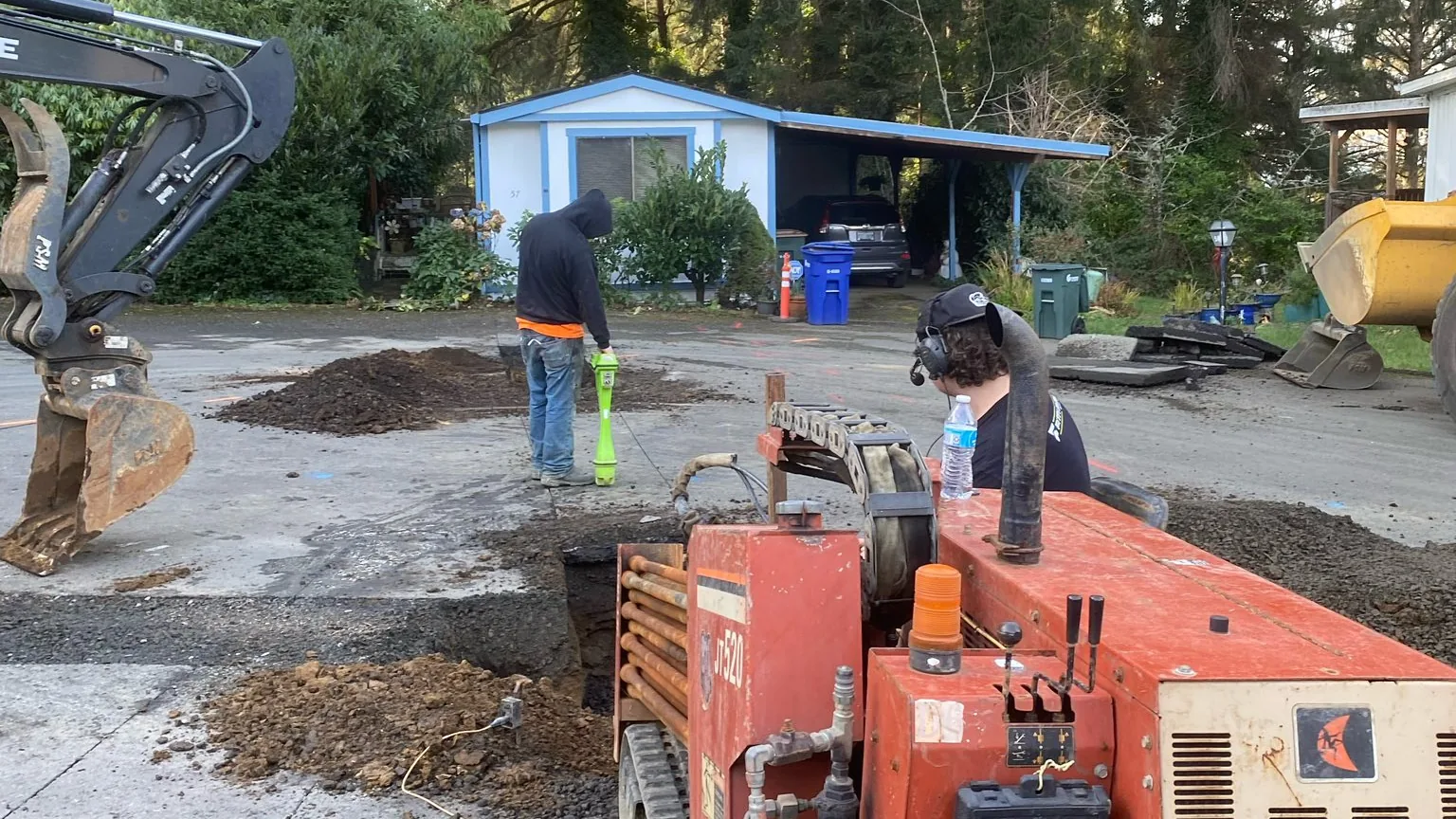
Salem's airport averages about 40 inches of rain a year, and about 37 of those inches fall October through May. Much of the flat east side is Woodburn silt loam, with a winter water table about two feet down. In the South Salem Hills, the ground turns to red clay over basalt. Soft subgrade on the flats and rock in the hills both change how a pad or trench gets built.
Salem is part of our service area, about 17 road miles east of our yard in Dallas, OR. As an excavation contractor in Salem, we take on work for builders, developers, general contractors and commercial property owners. Our main work is subdivision and lot development, with the streets and every utility in before the builders start. Call or text (503) 507-2919 to talk through your Salem project.
Tell us about the project and where the site is. We look at the job and put a free estimate in writing.
Salem grew from 154,637 people in 2010 to 175,535 in 2020, by the Census count. A 2026 state housing analysis targets about 2,000 new homes a year inside Salem's urban growth boundary. That is more than twice the 778 housing units the city permitted in 2025.
Salem's growth boundary takes in land outside the city limits. Annexation makes that land eligible for city water and sewer, and it must touch the city limits to apply. Some subdivisions also need an Urban Growth Preliminary Declaration, which can require on-site infrastructure and off-site improvements. We build those streets and utilities for developers, to the engineer's plans.
In southeast Salem, an 828-acre urban renewal area was created to support the Mill Creek Corporate Center. Its funds pay for the roads and utilities needed to draw large industrial users. Much of the ground around it drains poorly, with water near the surface in winter. We take on commercial site work for sites like these, from the first clearing to the parking lot base rock.
Most of Salem sits on two kinds of ground. The valley terraces are deep silt loam. The South Salem Hills and the West Salem hills carry dark reddish brown Jory and Nekia silty clay loams. Nekia formed over basalt, and soil maps put the rock about three feet down in places.
On the flats, drainage is the bigger problem. By NRCS soil data, nearly a quarter of the land inside the city is somewhat poorly or poorly drained. About two-thirds of the city's soils take in rain slowly. Courtney soils near the airport can pond water from November through May.
In January 2012, parts of south Salem got more than nine inches of rain in five days. Flooding hit the Battle Creek, Mill Creek, Pringle Creek and Croisan Creek basins, and 64 city streets closed. We plan heavy earthwork for the dry months and build storm drainage that carries water off the site.
Inside the city limits, permits for site work run through the city's Community Planning and Development Department. Its Building and Safety Division runs the Permit Application Center. Its Development Services Division handles grading, erosion control, public construction and right-of-way permits. Public streets and utilities follow the city's Public Works Design Standards.
Salem requires a city erosion control permit when a project disturbs 1,000 square feet or more. At 10,000 square feet or more, a design professional prepares the plans. At one acre or more, the city wants proof of DEQ's 1200-C permit before it issues its own. Early grading permits can let clearing and grading start before the building or public construction permit.
Roughly a sixth of the area inside the city limits is mapped as FEMA flood hazard area, the river included. Earthwork there needs a city Floodplain Development Permit first. The permit office or your engineer confirms which permits a project needs. Our underground utility installation goes in to the approved plans, with city inspections along the way.
About half of Salem's housing was built before 1980, by the Census Bureau's 2020 to 2024 survey. The Southeast Salem neighborhood has more than 2,000 houses, and some date to the late 1800s. On older lots, new work starts with what is already in the ground.
Taking down a building in Salem takes a city building permit. If the job needs a sewer cap, Public Works issues a sanitary sewer permit number first. Our demolition work clears the old structure and its abandoned lines before new utilities go in.
Communities and areas we serve around Salem: West Salem, South Gateway, Sunnyslope, Faye Wright, Morningside, Southeast Mill Creek, East Lancaster, North Lancaster, Northgate, Mill Creek Corporate Center, Kuebler Boulevard, Cordon Road.
Salem ZIP codes served: 97301, 97302, 97303, 97304, 97305, 97306, 97317.
Salem is part of our service area. We look at the job first, then put a free estimate in writing.
(503) 507-2919 We install water mains, sanitary sewer, storm sewer and power and communications conduit for subdivisions and commercial sites. Each run goes from open trench to compacted backfill, ready for the inspector.
Learn More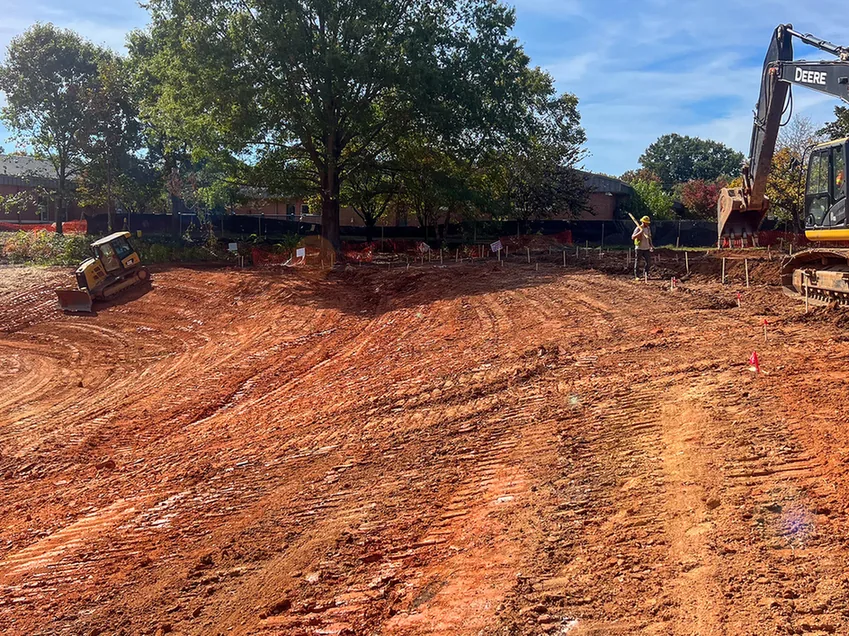
We turn raw land into finished, buildable lots for builders and developers. Every underground utility goes in before the streets, and each lot is left graded for its builder.
Learn More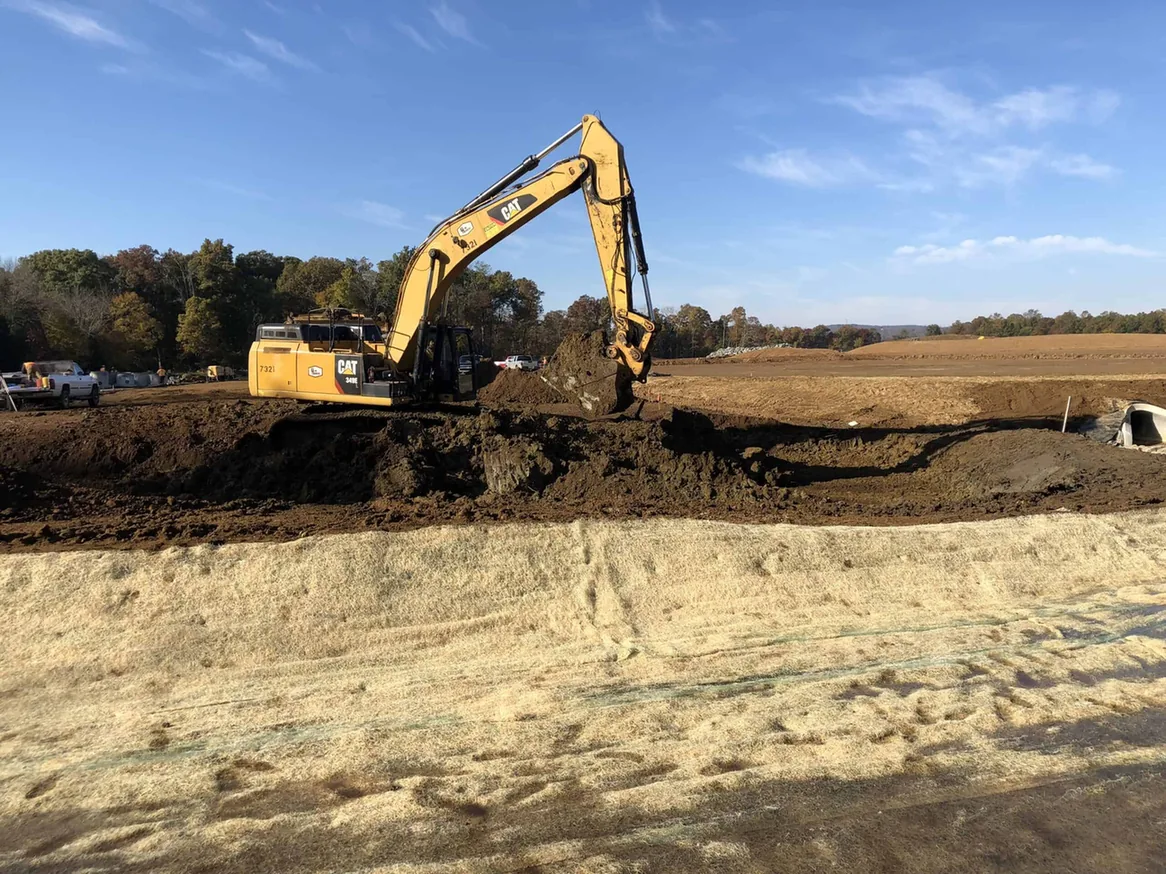
We clear and grade commercial sites, build the pad and run the utilities to the building. We bring the parking lot to base rock, and our paving and concrete subcontractors finish it.
Learn More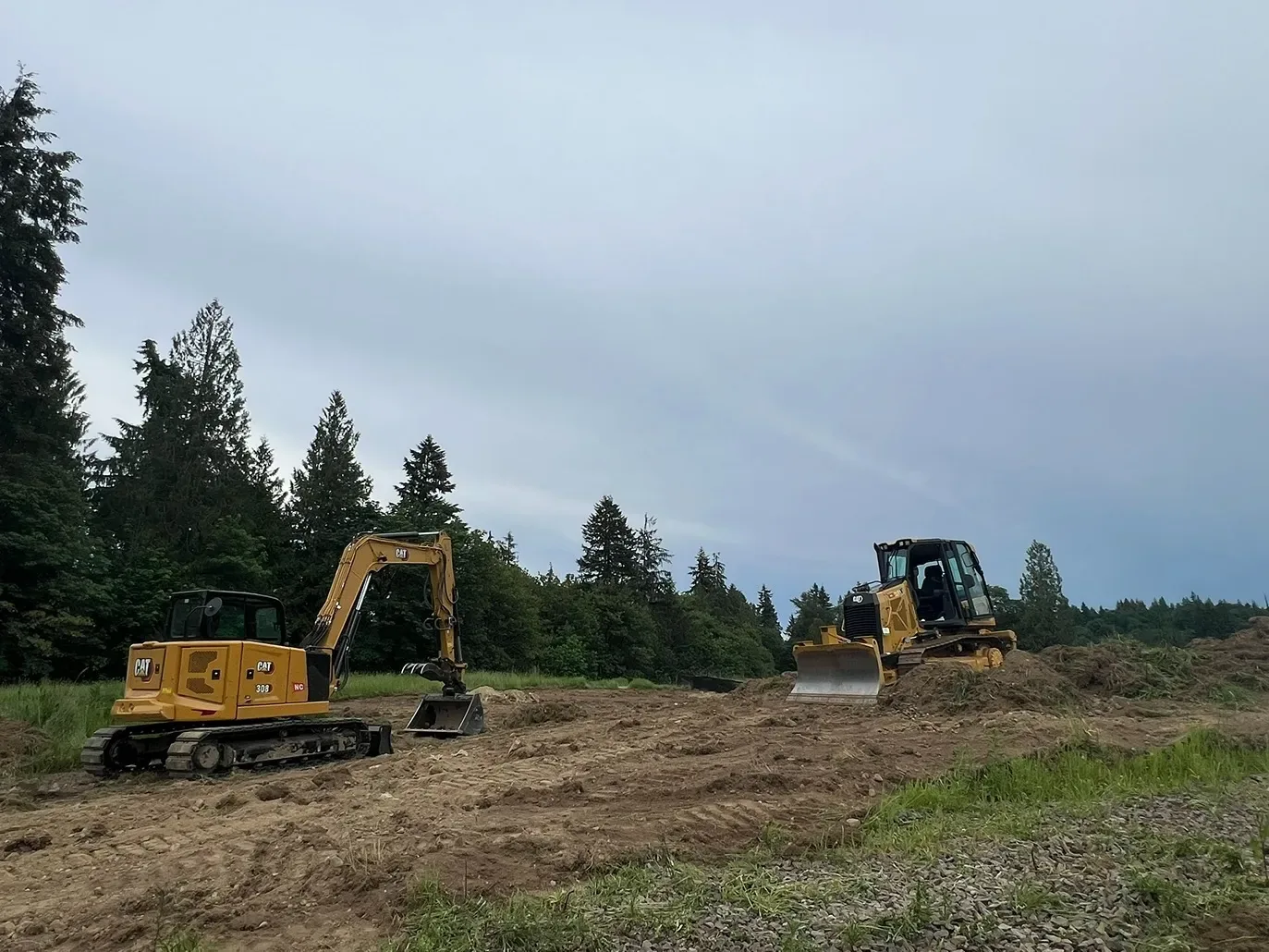
Excavator land clearing for building sites and development parcels, with the stumps and roots pulled out. We strip and stockpile the topsoil, then rough grade the ground for the next stage.
Learn More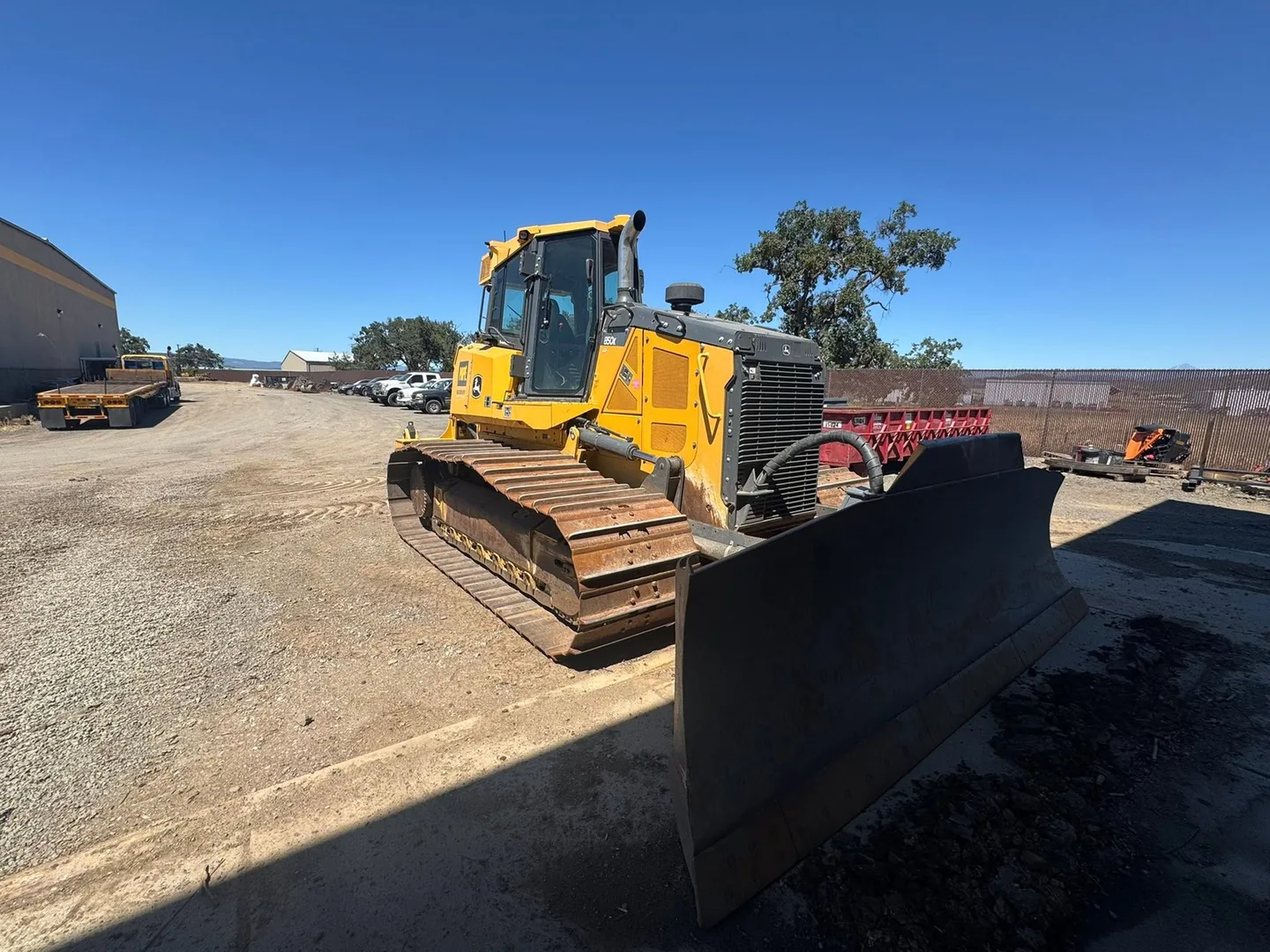
Mass grading and cut and fill for subdivisions, commercial sites, farms and nurseries. We move the soil to the grades on the plan and compact the fill in layers.
Learn More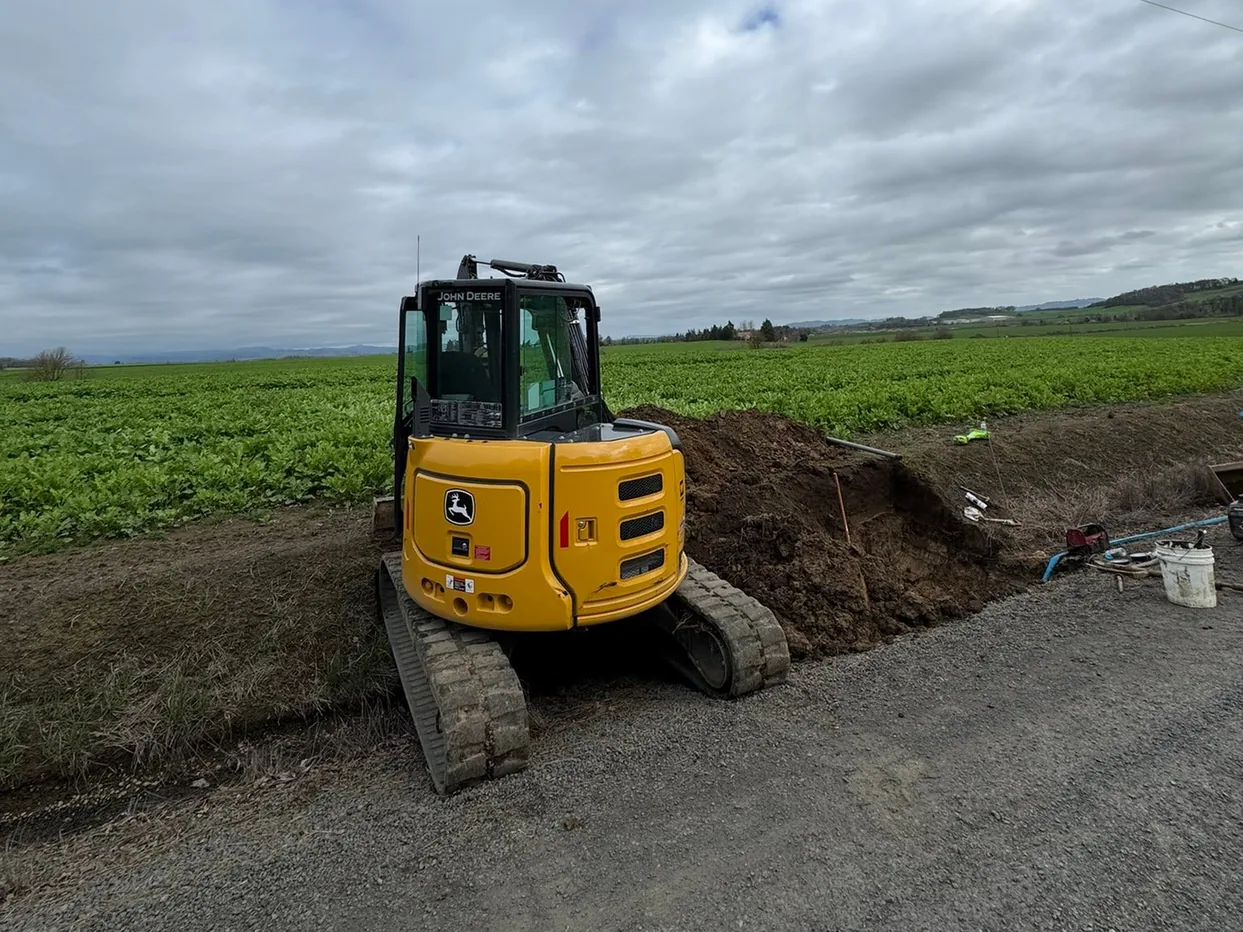
Trenching for water lines, power conduit and drain lines across acreage and commercial sites. Every run starts with an Oregon 811 locate request and ends in compacted backfill.
Learn More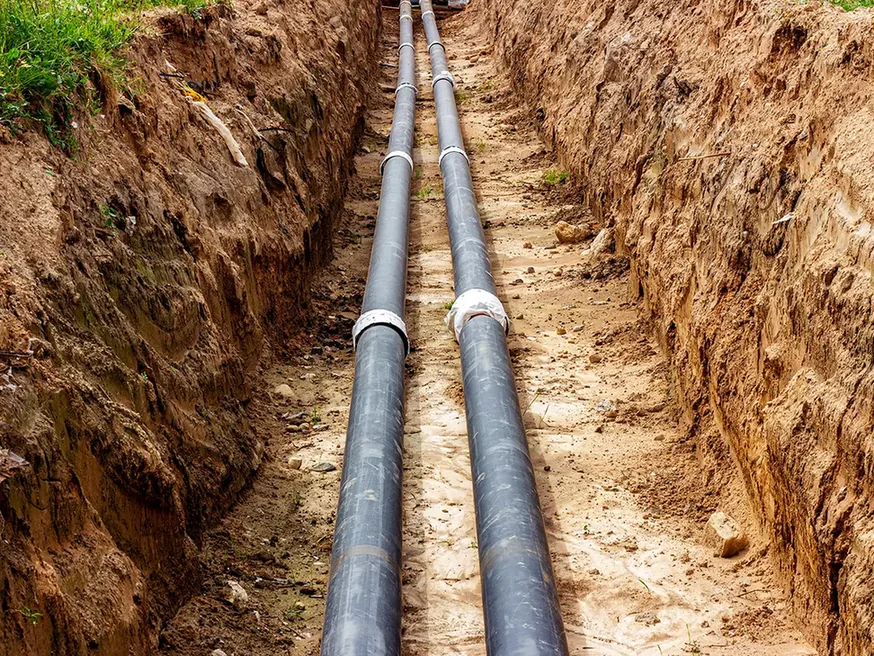
French drains, curtain drains, catch basins and culverts for building sites, subdivisions, farms and nurseries. We build each system on a steady fall to an outlet, to the engineer's plan where there is one.
Learn More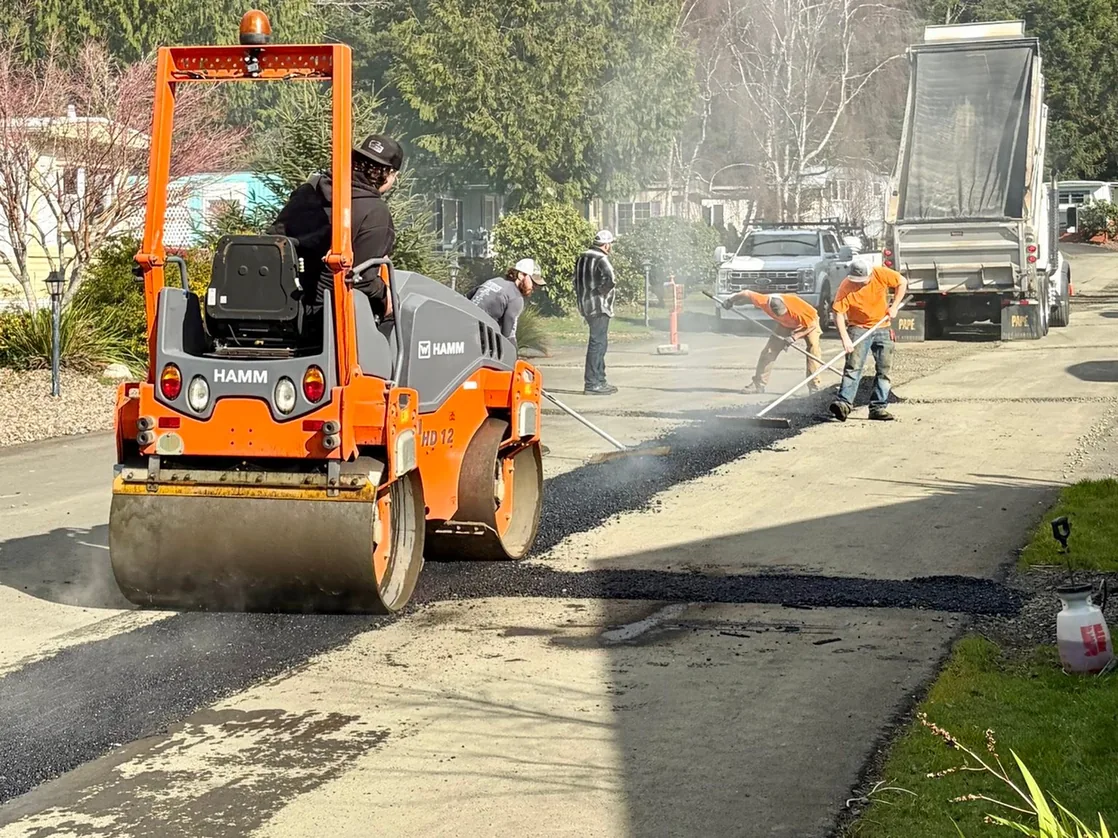
We build subdivision streets and private roads from the subgrade up, with the utilities under them laid first. Our concrete and paving subcontractors pour the curbs and lay the asphalt, under our management.
Learn More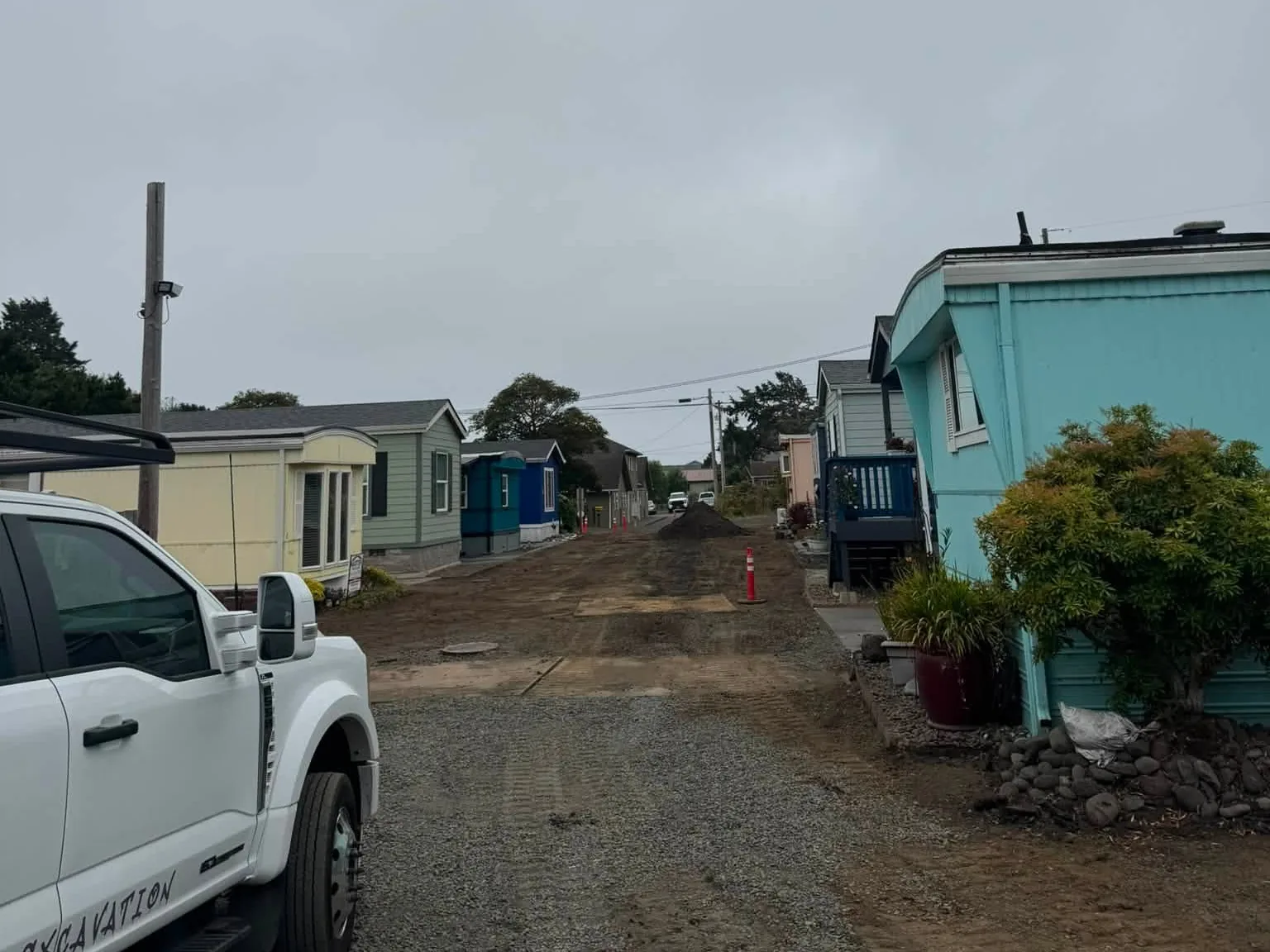
Long gravel driveways, farm and nursery access roads, equipment yards and construction entrances for builders and landowners. We grade the road and set the culverts, then build up the base rock to carry trucks.
Learn More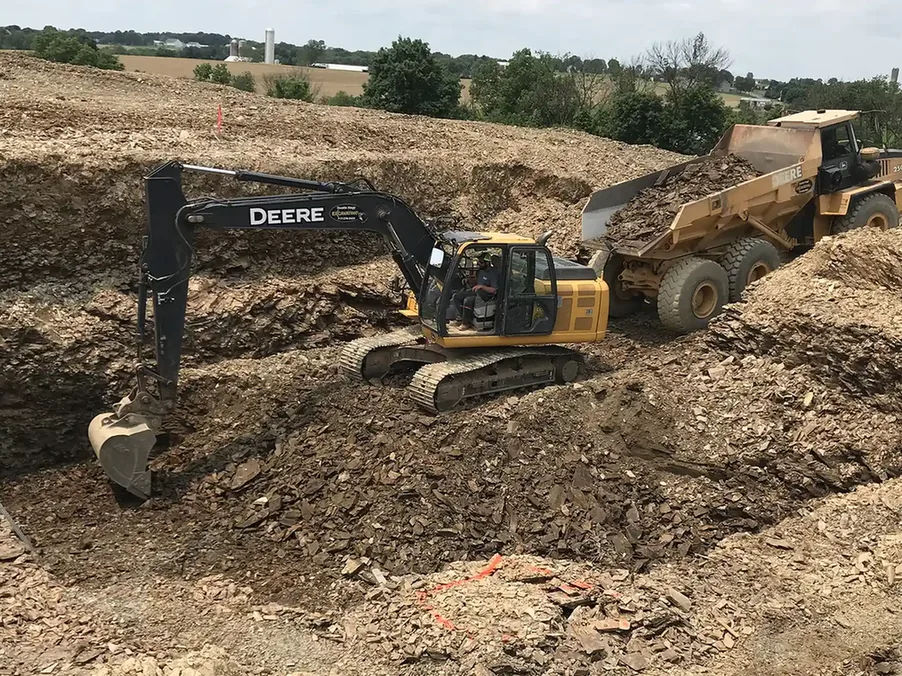
We handle foundation excavation and build compacted building pads for homes on acreage, shops, barns and commercial buildings. Footings are cut to the engineer's plan, and every pad is graded to drain.
Learn More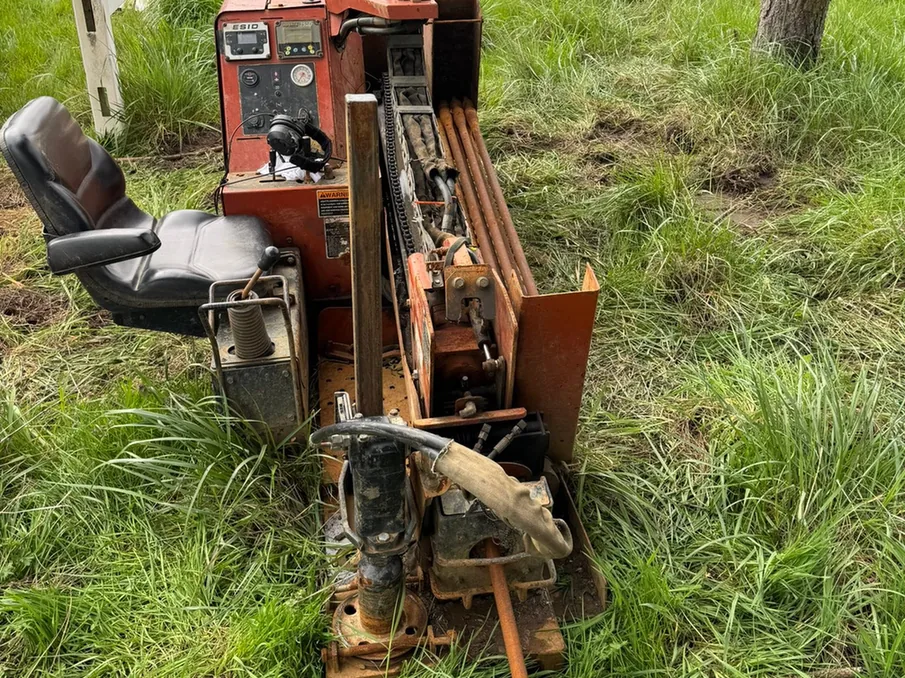
Directional drilling carries water services and power and communications conduit under roads, paved drives, parking lots and creeks. The pipe pulls back through the bore, and the surface above it stays in place.
Learn More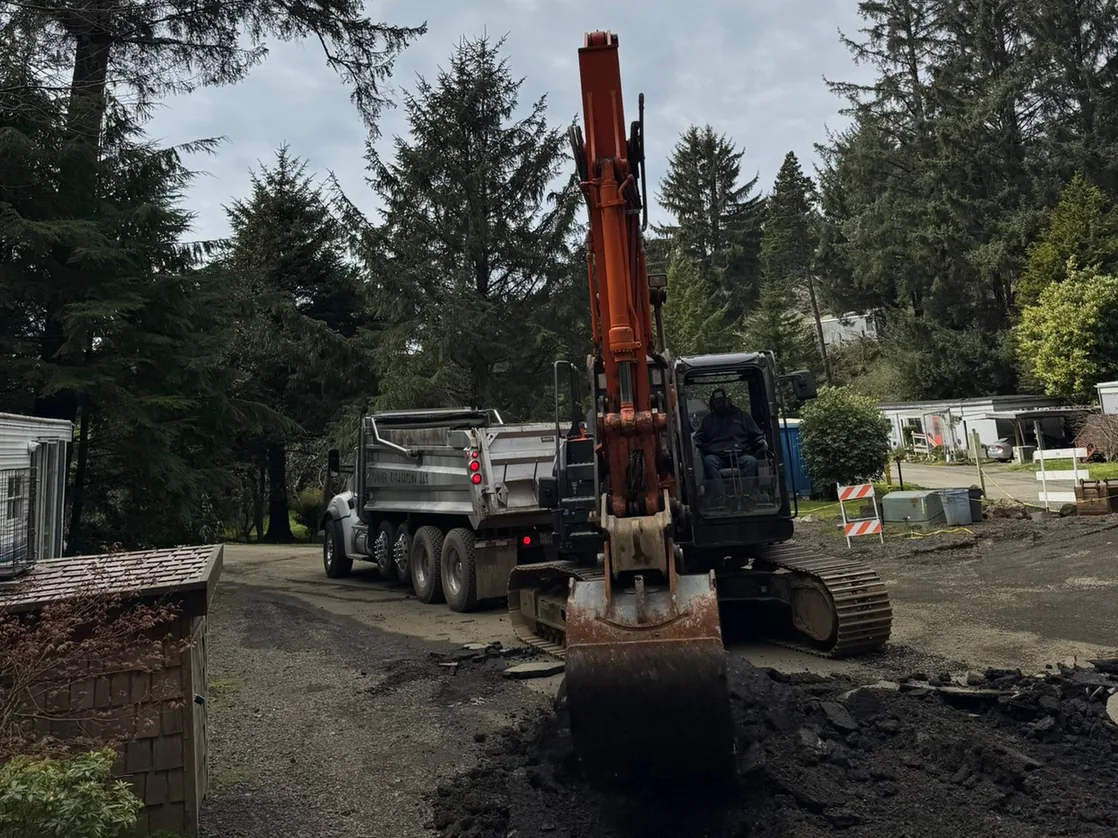
We take down old structures and break out the concrete and asphalt under them. Our dump trucks haul the debris off, and we grade the site for the next build.
Learn MoreA few of the questions we hear most around Salem. If yours is not here, call or text and ask.
Tell us where the land is and what the project needs, and send the plans if you have them. Call or text (503) 507-2919 or use the form, and we will set a time to look at the job.
Tell us about the project and where the site is. We look at the job and put a free estimate in writing.