
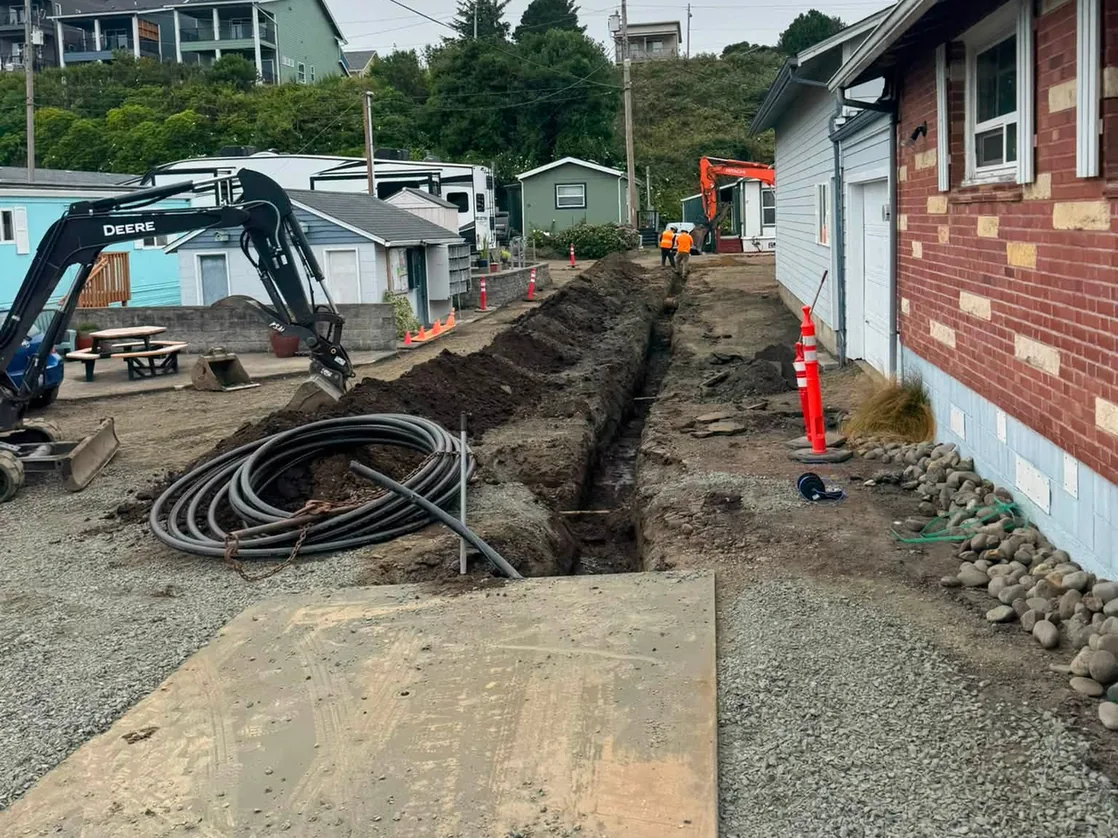
Underground Utilities
We install water mains, sanitary sewer, storm sewer and power and communications conduit for subdivisions and commercial sites. Each run goes from open trench to compacted backfill, ready for the inspector.
Learn More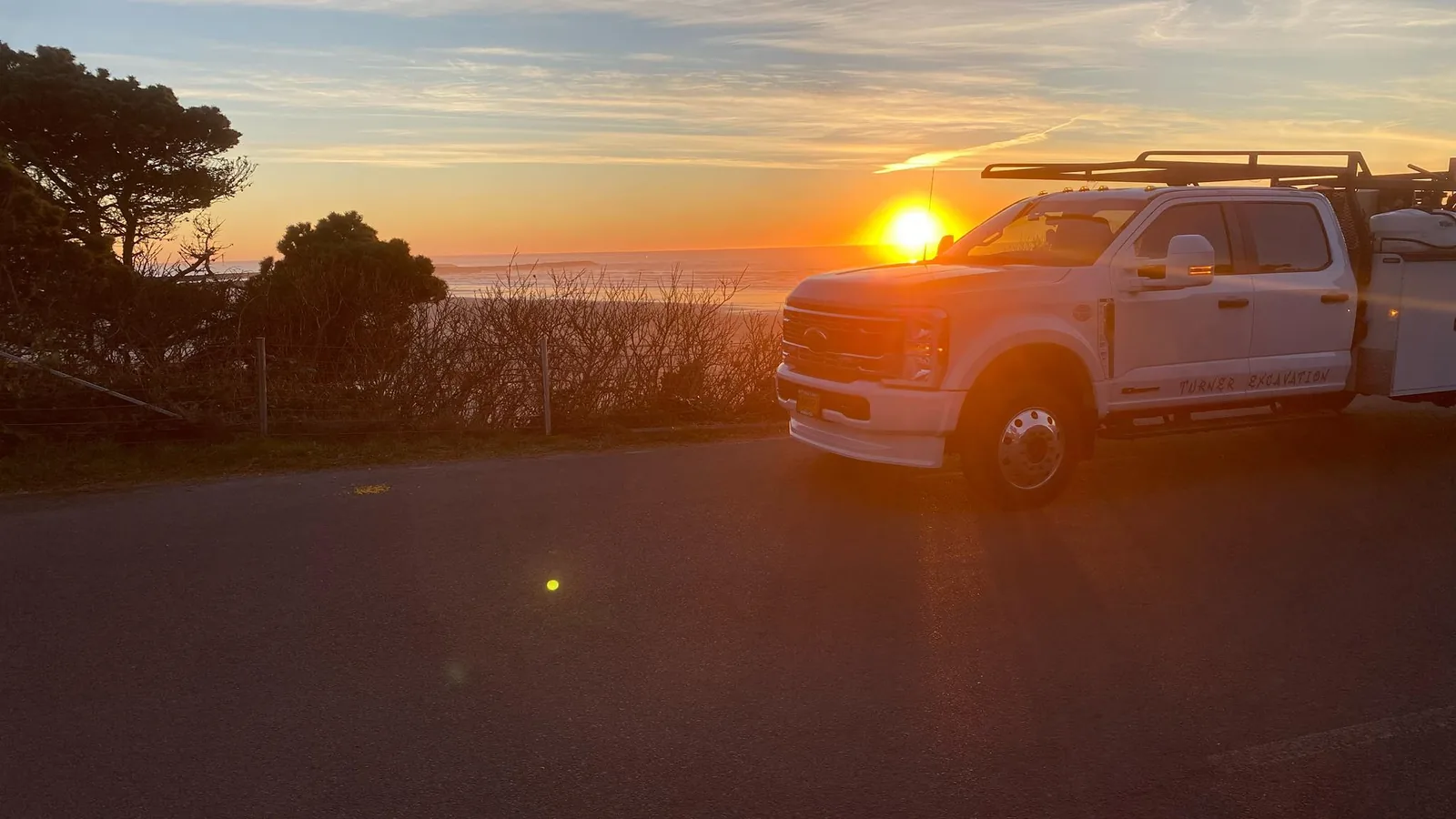
Newport's long-term weather record shows about 68 inches of rain a year, with about 11 inches in December alone. Much of the town sits on a marine terrace of weakly cemented sand and silt, often under old dunes. Bluffs at the terrace edge keep eroding, and soaked hillsides can slide. For a builder or developer, the ground and the city's geologic rules shape every cut and fill in Newport.
As an excavation contractor in Newport, Turner Excavation takes on underground utilities and site work for builders and developers. Newport is part of our service area, about 68 road miles from Dallas, Oregon, over the Coast Range. We have done water and sewer work on the coast around Newport. Call or text (503) 507-2919 for a free estimate in writing.
Tell us about the project and where the site is. We look at the job and put a free estimate in writing.
NRCS soil maps show Nelscott loam across much of the terrace ground, from the city center north to Agate Beach. It has a cemented hardpan, called ortstein, 24 to 40 inches down. South of the bay, the maps show Waldport fine sand, a deep, fast-draining soil on stabilized dunes. On parts of the hills east of the city center, the maps show slopes of 35 to 60 percent.
The city's long-range plan, citing a state geology bulletin, puts usual bluff retreat at 6 to 12 inches a year. Near Nye Beach, slides in the Jump-Off Joe area destroyed or badly damaged a number of homes in the 1940s. Under parts of town, the Nye mudstone can slip along its seaward-tilted layers once it is soaked.
The plan also warns that fill placed over steep, vegetated slopes can slide on the plant layer as it rots. So our clearing and grubbing takes roots and brush out before any fill goes down. In South Beach and Nye Beach, stripping the soil off old dunes leaves loose sand the wind moves. Our grading and earthwork follows the geologic report, and bare sand gets stabilized as the city's standards require.
Inside city limits, the Community Development Department runs land use planning and the city's building program. Site clearing or construction in a geologic hazard area needs a geologic permit under chapter 14.21 of city code. The application carries a geologic report from an engineering geologist or a geotechnical engineer. It also needs an estimate of the depth and extent of all planned excavation and fill.
The permit's erosion standards call for the smallest practical area of bare ground at any one time. Drainage must carry runoff from a 25-year storm without making a known landslide less stable. Final approval waits for a written statement that the report's measures were met. The Community Development Director decides geologic permits, typically in 30 to 60 days.
Work in a city street needs a right-of-way permit and follows the city's engineering design standards. On US 101 and US 20, a utility line in the state highway right of way needs ODOT's permission. Outside city limits, the Building Division of Lincoln County Planning and Development issues permits for unincorporated county land. Oregon DEQ's 1200-C stormwater permit applies once a project disturbs one acre or more.
By the city's own count, its storm system serves 43 drainage basins through about 32 miles of gravity pipe. North of Yaquina Bay, creeks in the ravines were piped and then filled over to make level building ground. That fill runs more than 25 feet deep in many places, and some of those pipes now sit under buildings.
South Beach, annexed starting in the 1970s, is flatter ground with wetlands, and large parts are undeveloped. Its storm system is mostly roadside ditches and culverts along US 101, plus pipes under the airport. The city's plan also notes a seasonal high water table south of the bay, east of US 101. On that ground, we build storm drainage to the engineer's plan before pads and streets go in.
Newport's water comes from two reservoirs on Big Creek, behind earthen dams built in 1951 and 1969. The city's water plan says Siletz River water is pumped into the reservoirs when Big Creek runs low in summer. Weak soils under the dams pose an earthquake risk. In April 2026, the city council voted to move ahead with design work on the dams.
Newport counted 10,256 people at the 2020 Census, and the Census Bureau estimated 10,383 in 2025. By the Census Bureau's five-year survey, about 53 percent of its homes were built before 1980. Fewer than one in five went up in 2000 or later.
The South Beach Urban Renewal District, formed in 1983 and extended in 2009, pays for infrastructure to support economic development. Its final-phase priorities include a redundant water pipeline crossing of Yaquina Bay and sewer service to Newport Municipal Airport. Safe Haven Hill in South Beach serves as a tsunami evacuation assembly area. The city has adopted the state's tsunami inundation maps, which guide where essential facilities go.
North of the bay, the Northside Urban Renewal District aims to upgrade Agate Beach streets and utilities for housing. East of town, the McLean Point district funds infrastructure for water-related industry next to the Port of Newport International Terminal. In Newport, a tentative subdivision plat goes to the Planning Commission, with a typical timeline of 90 to 120 days. Once a plat is approved, our subdivision and lot development turns the raw ground into buildable lots.
Communities and areas we serve around Newport: Nye Beach, Agate Beach, South Beach, Bayfront, Yaquina Bay, Jump-Off Joe, McLean Point, Port of Newport, Big Creek, Safe Haven Hill, Newport Municipal Airport, US 101 corridor.
Newport ZIP codes served: 97365, 97366.
Newport is part of our service area. We look at the job first, then put a free estimate in writing.
(503) 507-2919 We install water mains, sanitary sewer, storm sewer and power and communications conduit for subdivisions and commercial sites. Each run goes from open trench to compacted backfill, ready for the inspector.
Learn More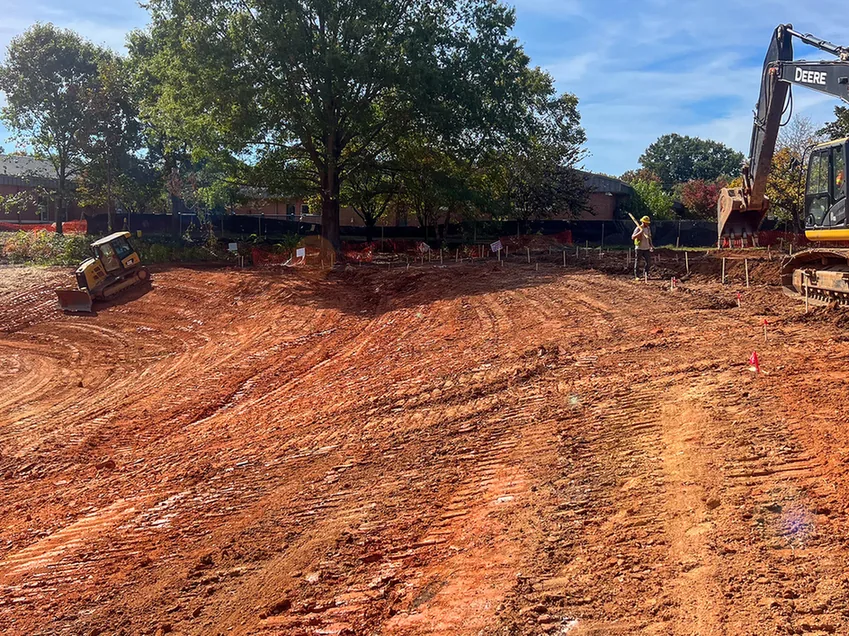
We turn raw land into finished, buildable lots for builders and developers. Every underground utility goes in before the streets, and each lot is left graded for its builder.
Learn More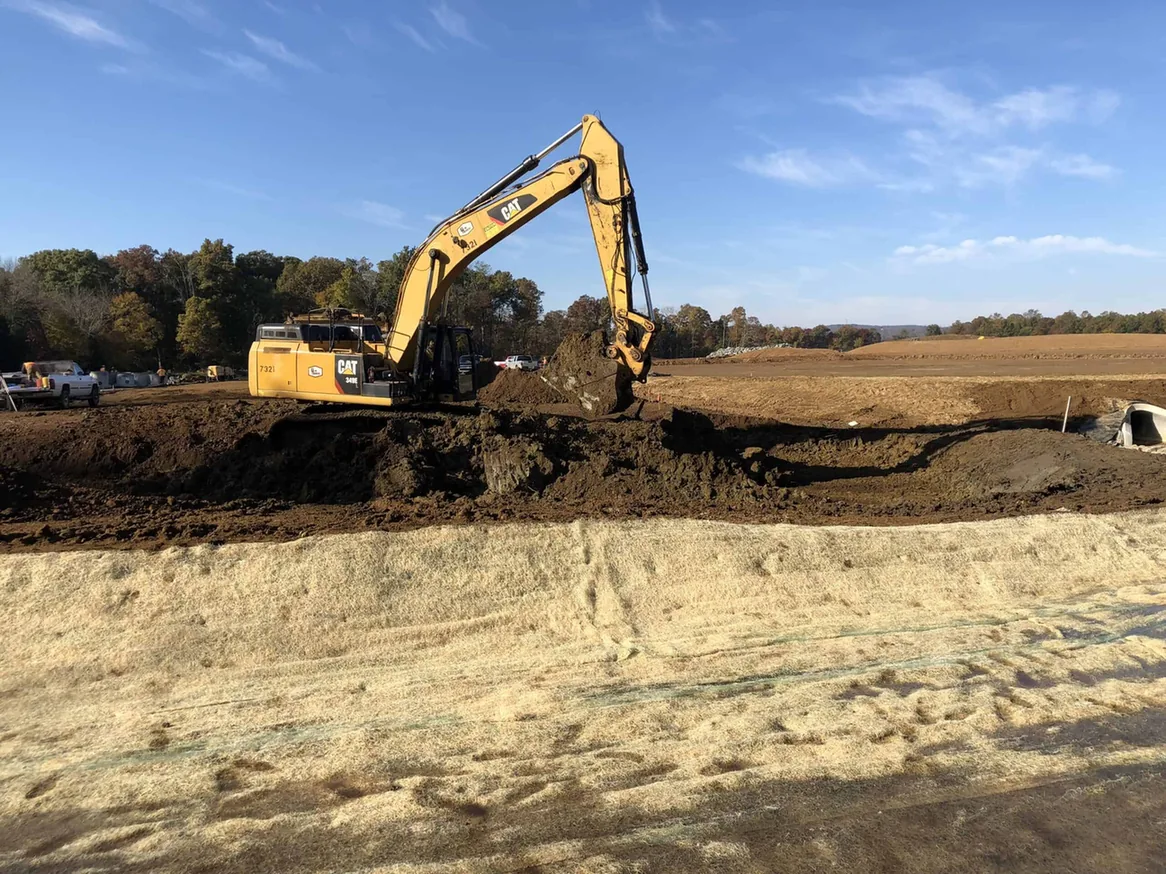
We clear and grade commercial sites, build the pad and run the utilities to the building. We bring the parking lot to base rock, and our paving and concrete subcontractors finish it.
Learn More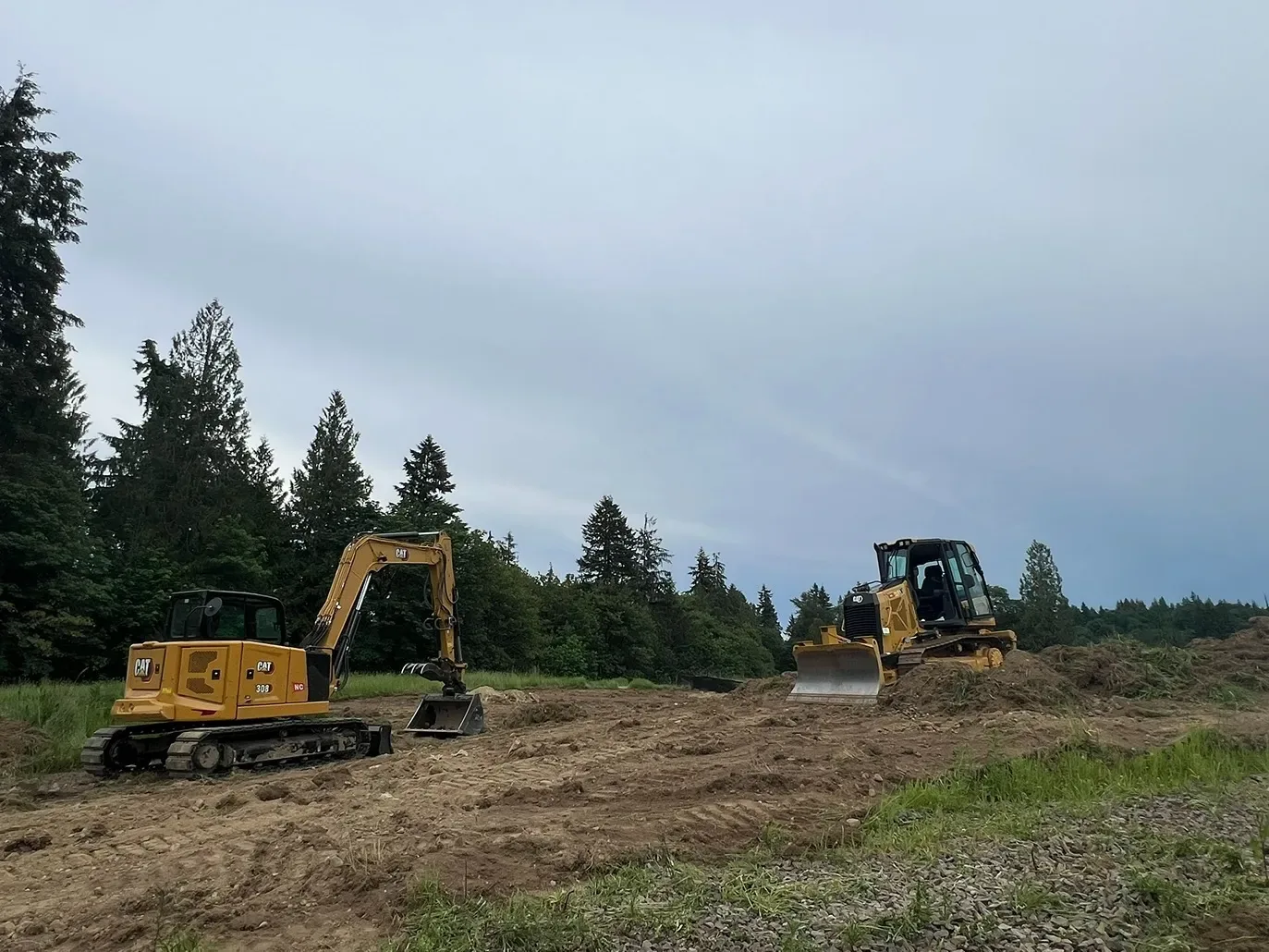
Excavator land clearing for building sites and development parcels, with the stumps and roots pulled out. We strip and stockpile the topsoil, then rough grade the ground for the next stage.
Learn More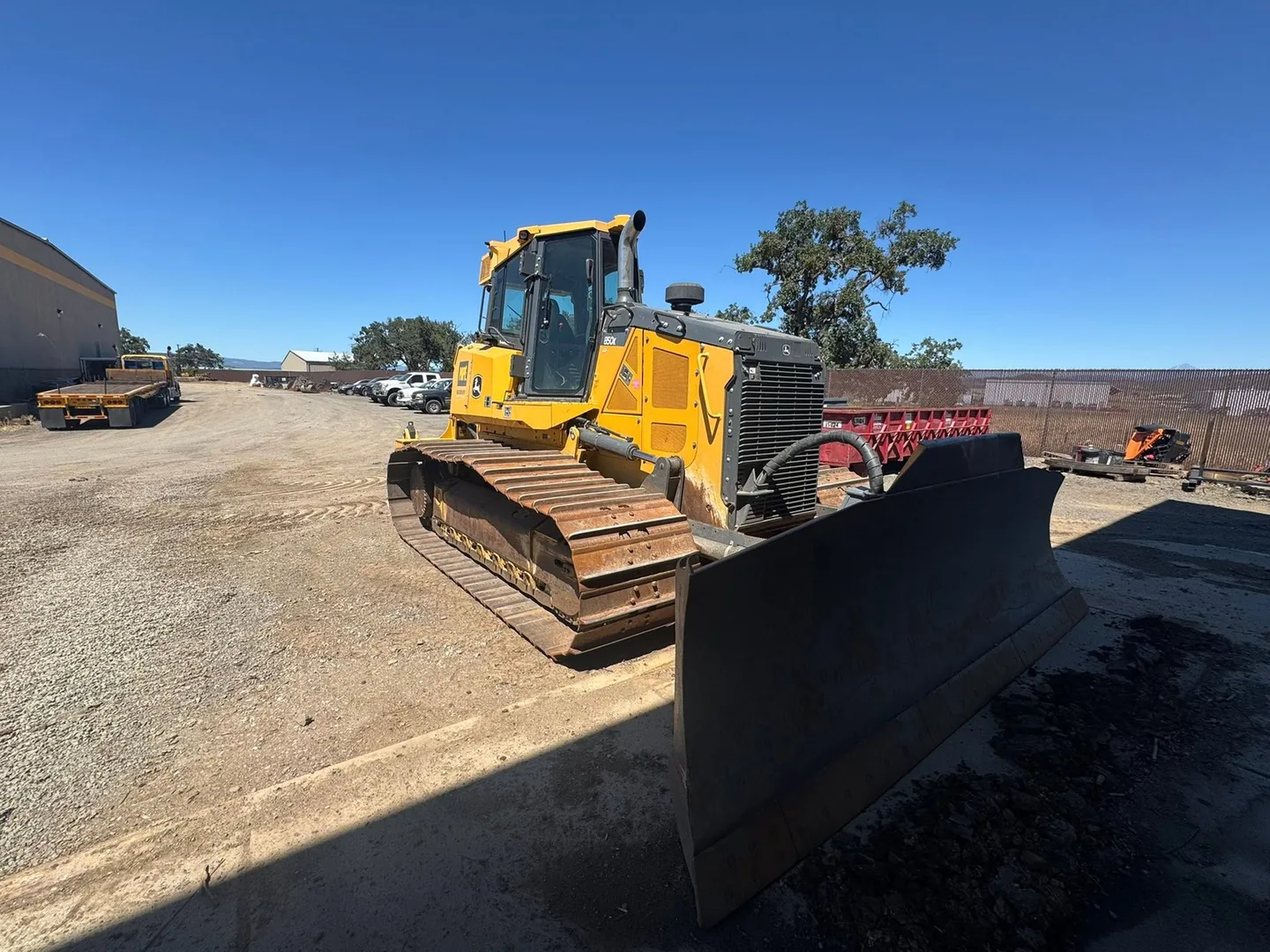
Mass grading and cut and fill for subdivisions, commercial sites, farms and nurseries. We move the soil to the grades on the plan and compact the fill in layers.
Learn More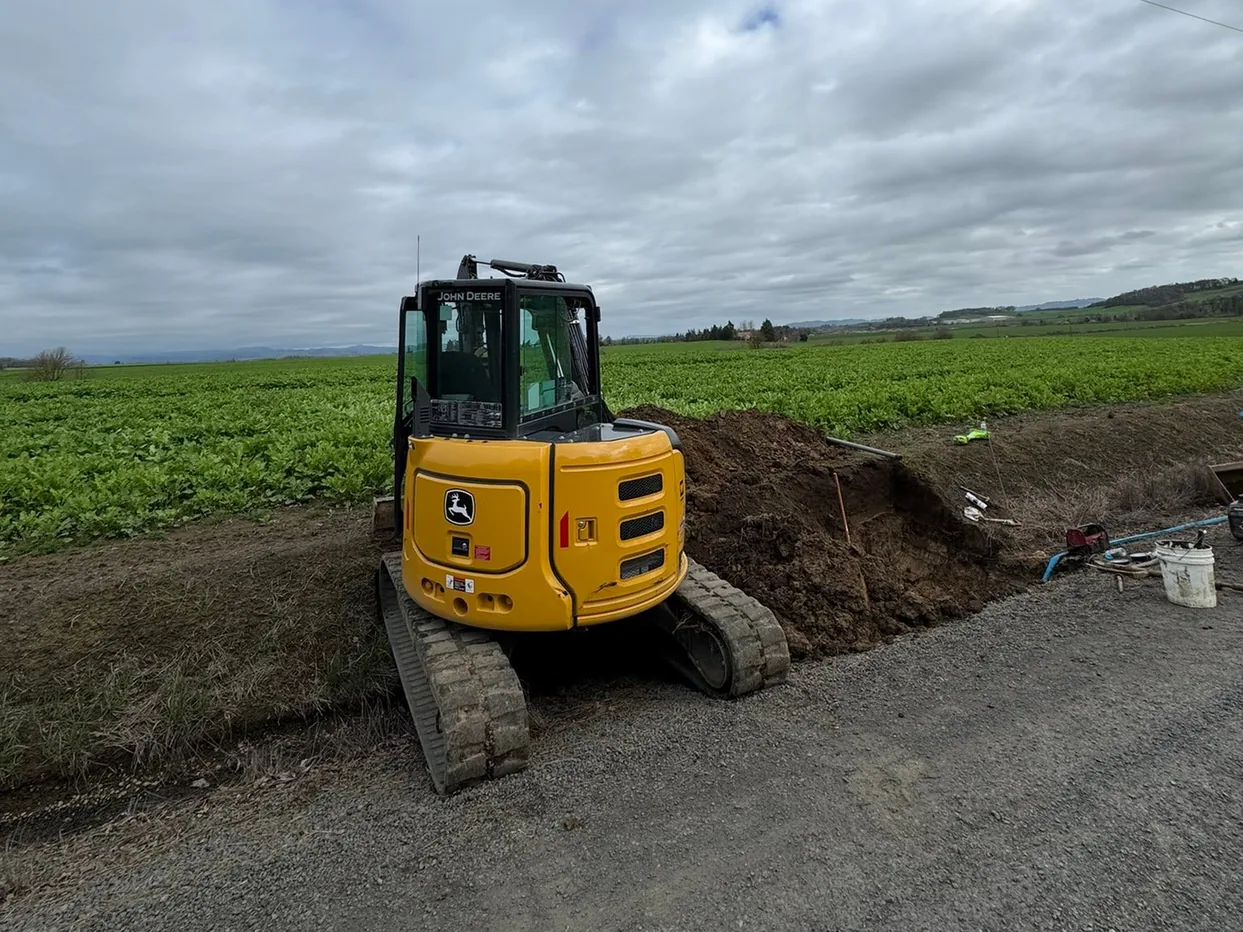
Trenching for water lines, power conduit and drain lines across acreage and commercial sites. Every run starts with an Oregon 811 locate request and ends in compacted backfill.
Learn More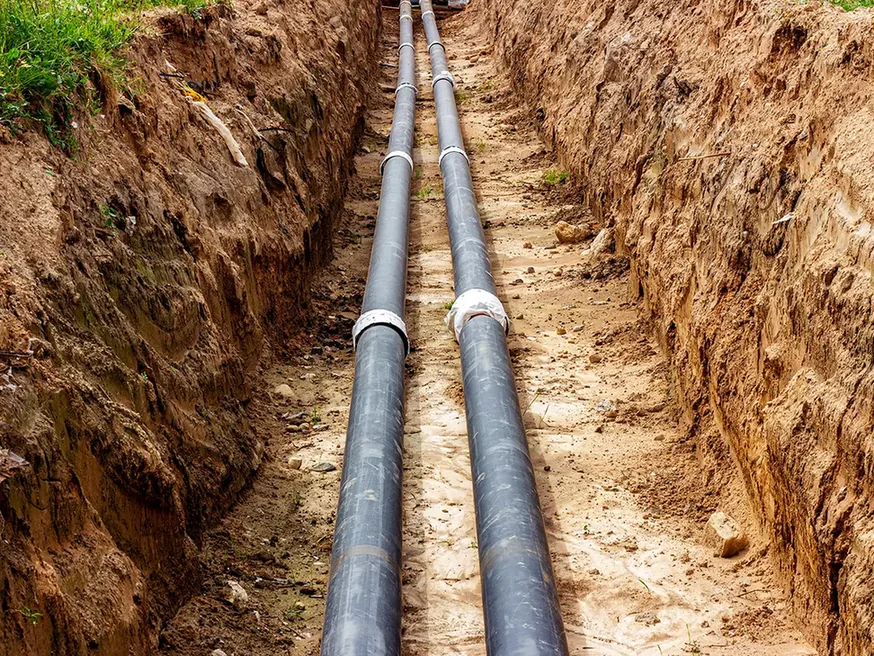
French drains, curtain drains, catch basins and culverts for building sites, subdivisions, farms and nurseries. We build each system on a steady fall to an outlet, to the engineer's plan where there is one.
Learn More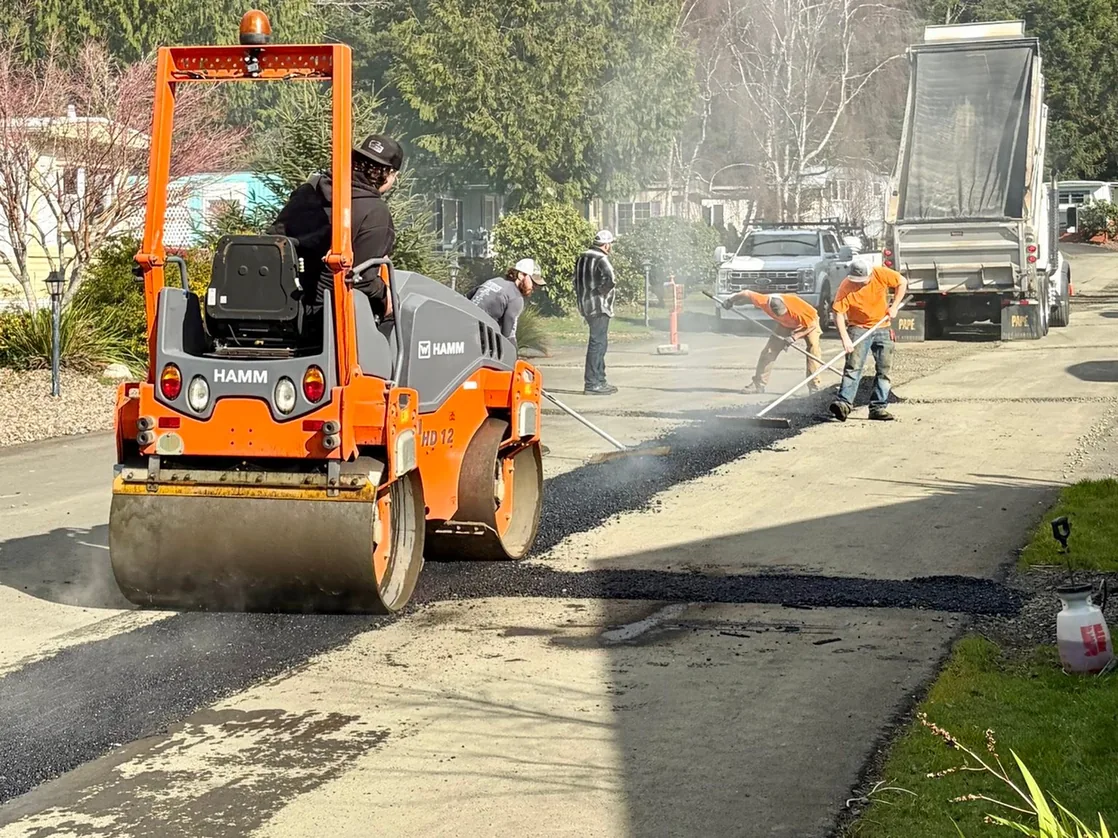
We build subdivision streets and private roads from the subgrade up, with the utilities under them laid first. Our concrete and paving subcontractors pour the curbs and lay the asphalt, under our management.
Learn More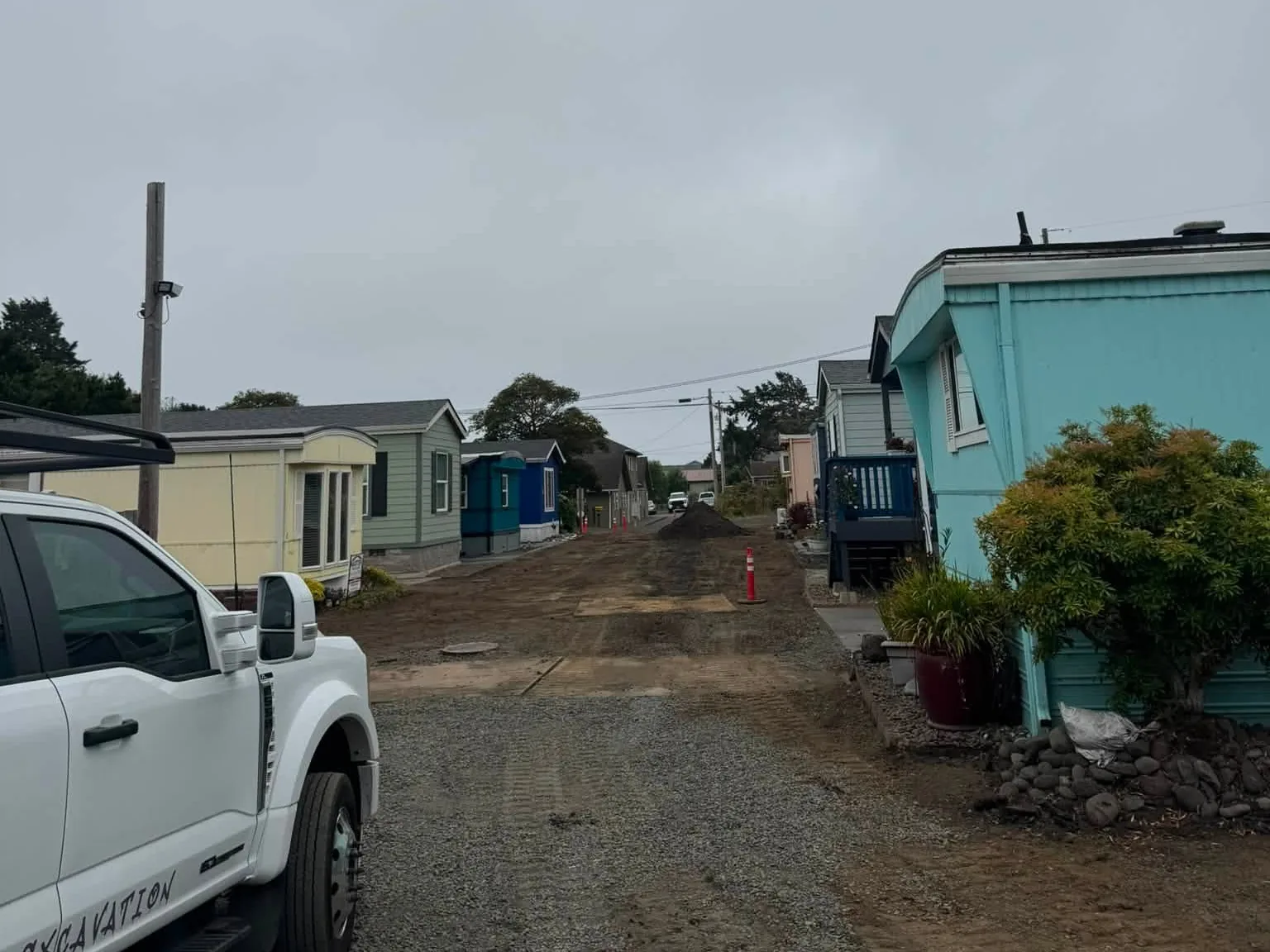
Long gravel driveways, farm and nursery access roads, equipment yards and construction entrances for builders and landowners. We grade the road and set the culverts, then build up the base rock to carry trucks.
Learn More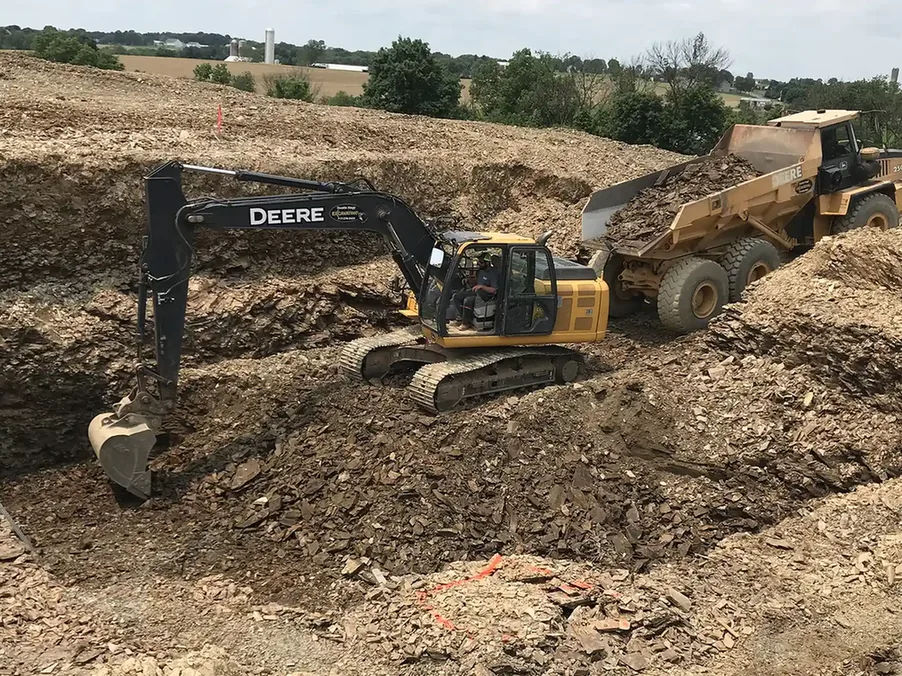
We handle foundation excavation and build compacted building pads for homes on acreage, shops, barns and commercial buildings. Footings are cut to the engineer's plan, and every pad is graded to drain.
Learn More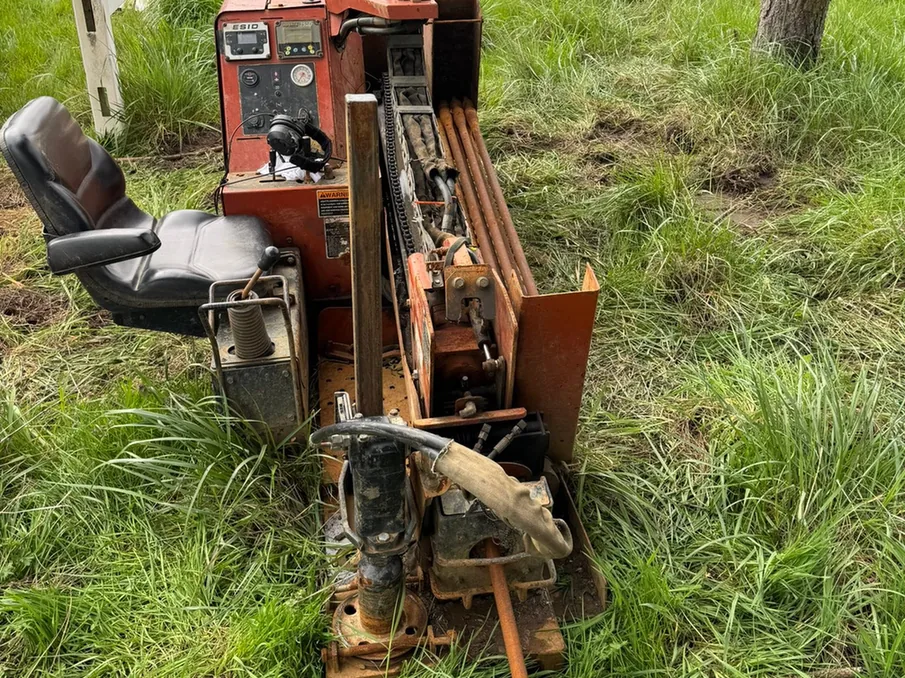
Directional drilling carries water services and power and communications conduit under roads, paved drives, parking lots and creeks. The pipe pulls back through the bore, and the surface above it stays in place.
Learn More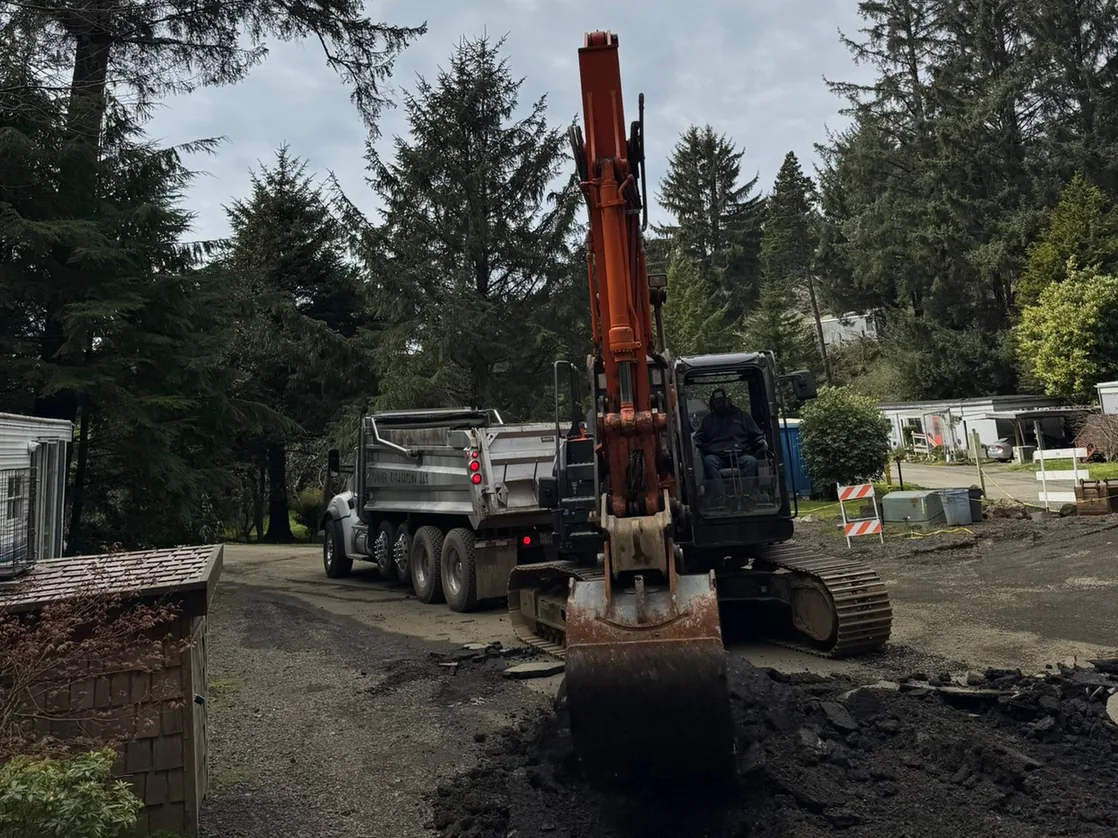
We take down old structures and break out the concrete and asphalt under them. Our dump trucks haul the debris off, and we grade the site for the next build.
Learn MoreA few of the questions we hear most around Newport. If yours is not here, call or text and ask.
Tell us where the land is and what the project needs, and send the plans if you have them. Call or text (503) 507-2919 or use the form, and we will set a time to look at the job.
Tell us about the project and where the site is. We look at the job and put a free estimate in writing.